A product launch needs more than a collection of attractive posts. The audience, message, creative and landing page must work together. Start with a plan for what people need to understand before they buy, then decide which channels and formats can communicate it convincingly.
Choose one primary outcome
Decide whether the campaign is intended to introduce a product, collect expressions of interest or drive purchases. These outcomes need different messages and measurement. A post with broad reach is not automatically a successful sales campaign.
Write down the audience and the offer in plain language. Clarify availability, delivery regions and any genuine launch conditions. If the product is not yet available, make the next step explicit and avoid implying that an order can be fulfilled immediately.
Give the creative a job to do
Build a brief around the product’s strongest supportable benefit, the audience’s likely objection and the action you want them to take. Plan complementary assets: a clear product demonstration, a detail-led still image and a short explanation of who the product suits.
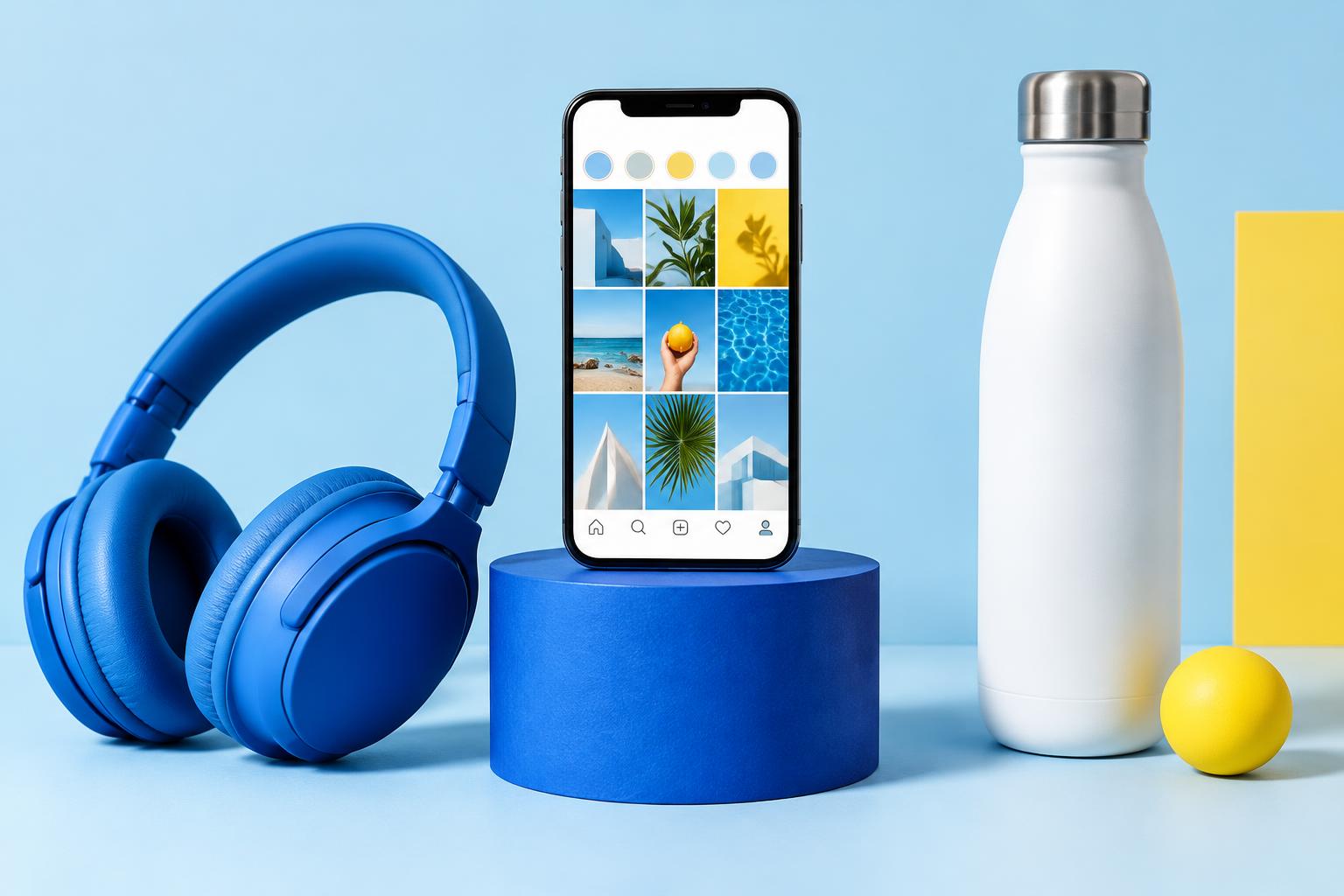
Create for the placement rather than cropping one design into every format. Keep important content away from interface overlays, use readable text and add captions where speech conveys the message. Obtain permission for customer content and disclose commercial relationships when required.
- Audience, objective and main message
- Accurate offer and availability details
- Required video and image formats
- Product assets, permissions and approval owner
- Landing page and measurement plan
Prepare the destination before sending traffic
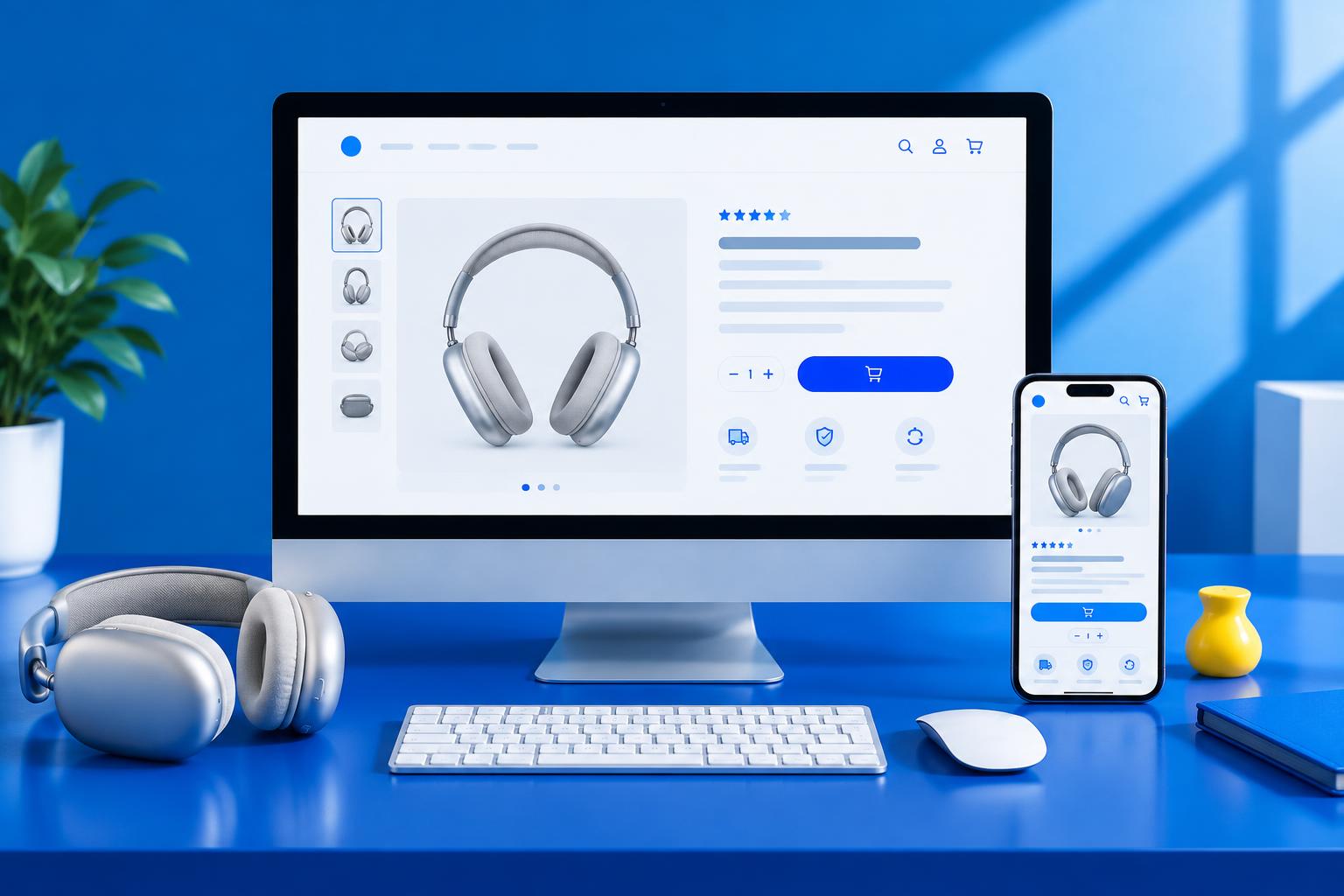
The page people arrive on should continue the promise in the post or advertisement. Use matching product details and a clear next step. Do not make visitors search your entire catalogue for the item they just saw.
Test on a phone. Check page loading, stock, delivery information and the purchase journey. Add campaign parameters to links so you can distinguish sources in your reporting, while reviewing any tracking and consent requirements for your setup.
Separate the launch into useful stages
A preparation stage can answer questions and introduce the product story. The launch stage should make availability and the next step clear. Follow-up content can address genuine questions and show additional product details.
Use a schedule your team can sustain. If you are buying advertising, agree a spending limit and who can change it. Keep production costs separate from media spend. Testing a few meaningful creative variations is easier to interpret than changing the audience, page and message at the same time.
Review results without confusing attention with sales
Look at the journey from engagement to landing-page visits and purchases or qualified enquiries. Consider attribution limitations, returns and the wider sales cycle. A campaign can generate attention without bringing the right people to the store.
Document the questions customers asked and the creative that communicated most clearly. Use those findings in the next campaign and on the product page itself. Meshhoney’s marketing, creative and video services can help connect campaign assets with the e-commerce experience rather than treating each as a separate task.
A strong launch joins a truthful product story to a working destination and a clear measurement plan; it does not depend on posting everywhere.
Put your next idea into motion.
Tell us about your business and what you want to achieve. We’ll discuss the right scope for your project.
Discuss your projectFind your project direction